MSc in
Applied Economics
The programme provides students with a deep, systematic, and structured knowledge of economic theories and principles, as well as practical skills which will enable them to evaluate policies, forecast economic trends, and analyse market behaviours.
WIUT Business School
COURSE OVERVIEW
Economics as a discipline has become more relevant than ever as a means of understanding contemporary trends in the global economy and in providing the tools and techniques for businesses and governments to analyse, interpret, and respond to the local and global challenges they face. Students develop the ability to understand contemporary economic problems in micro and macroeconomics, development economics, and finance, as well as learning to apply advanced knowledge to analyse policy measures and their impact on government, businesses, and citizens’ welfare. Additionally, students learn to effectively communicate the outcomes of econometric analyses and give advice to policymakers and business leaders to assist them in making better decisions.
In a fast-changing global environment, the course seeks to provide students with the specialised knowledge needed to pursue professional careers in the private, public or institutional sectors as economists or consultants, who exhibit an extensive knowledge of both economic theories and their applications in the real world.
The philosophy of the course places much emphasis on the application of economic theories and methods to solve economic problems and analyse behaviour of economic agents. A variety of learning and teaching methods aim to enable students to master the key concepts in economics. The programme is focused on developing students’ policy appraisal and evaluation skills, as well as using the skills to advise governments and business on what actions they might want to take (i.e. appraising alternative strategic options, using econometrics to evaluate the effectiveness of decisions made previously, to evaluate the effectiveness of previous decisions).
WHAT YOU NEED TO KNOW
Award Title
Master of Science (MSc)
Validated by the University of Westminster, UK, and accredited by the National Quality Assurance Agency for Education under the Administration of the President of the Republic of Uzbekistan (NQAAE)
Start Date
September (each academic year)
Duration
1 year - full time
2 years - part time
Tuition Fees
Domestic - 54,439,200 UZS
International - 75,870,000 UZS
Classes start at 6:30 pm
LEARNING AND ASSESSMENT
The MSc in Applied Economics course consists of eight modules; six of these (including a dissertation) are core (essential) modules and two modules can be optional modules or one optional and one free elective modules. It provides students with the opportunity to incorporate an element of specialisation, possibly in conjunction with their choice of project topic.
Teaching delivery activities (lectures, seminars, workshops) are designed to add value to the learning experience of students. Our aim is to continue to supplement a conventional ‘didactic’ approach to teaching with a more facilitative style that encourages students to become active learners. This employs approaches, such as problem-based learning, to more closely reflect the real practice of any given subject area.
A variety of formative and summative assessment methods are used to assess how successful students have been in achieving the learning outcomes of the modules and the course. These assessment methods include examinations, individual and collaborative written reports and presentations, essays and data-handling exercises. Certain elements of assessment in particular, modules primarily emphasise application, appraisal and communication while others are more directed to testing of knowledge and understanding.
COURSE STRUCTURE
To be awarded the MSc degree, students must complete 180 credits
WHY CHOOSE APPLIED ECONOMICS AT WIUT?
Today’s organisations are looking for graduates who combine strong academic achievement with practical, workplace ready skills. At Westminster International University in Tashkent employability is embedded at the very heart of every programme.
We are committed to preparing graduates who are confident, capable, and competitive in the global labour market by ensuring that:
Career development skills are integrated across all courses, helping students build transferable skills alongside academic knowledge.
Close partnerships with employers across public, private, and international sectors inform curriculum design and enrich our career education and guidance activities.
Teaching and assessment methods mirror real-world professional scenarios, giving students hands-on experience in interviews, presentations, teamwork, and professional communication.
Our academic staff are actively engaged in research and consultancy, providing students with insights into current labour market trends and employers’ evolving expectations.
Learning and assessment are shaped by real industry experience, drawing on the course team’s work with international organisations, government bodies, and domestic and multinational companies.
This integrated approach ensures that students graduate not only with a respected degree, but with the skills, confidence, and professional awareness needed for long-term career success.
WHO THIS COURSE IS FOR:
The programme is designed for individuals with a strong interest in analytical thinking, quantitative methods, and evidence-based decision-making. It is well suited to applicants with a background in economics, finance, business, mathematics, statistics, engineering, data science, or related social sciences.
The degree is ideal for:
Recent graduates seeking to strengthen their economic analysis and data skills
Professionals working in policy, finance, consulting, development, or research who wish to deepen their applied economic expertise
Candidates preparing to pursue PhD or research oriented career in economics or public policy
EXTERNAL ENGAGEMENT
The course integrates external engagement opportunities that prepare students to connect theory with practice, gain industry exposure, and develop the skills needed to thrive in today’s competitive job market. Our students benefit from:
Guest lectures from professionals in economics, finance, data science, and public policy, offering real-world insights into global and local economic challenges.
Field trips to research centres and organisations, allowing students to observe how economic and financial theories are applied in practice.
Industry-focused assessments, including case studies, policy analysis, and consultancy-style projects using actual datasets.
Research and employer feedback events, such as project showcases, dissertation presentations, and seminars with external experts.
ENTRY REQUIREMENTS
We are committed to delivering a professional, fair, and transparent admissions process that ensures equal opportunity for all applicants. Our aim is to connect students with courses that align with their goals and their ability to meet academic and professional standards. Find out more Admissions policy and Terms and conditions.
-
Applicants should normally hold an undergraduate degree (or equivalent) from a recognised higher education institution with a minimum of a second lower class honours (2:2 or equivalent) in any subject area. Applicants without a formal higher education qualification or a formal qualification that is not at an equivalent academic standard, may be considered if the following conditions apply:
They are or have been in employment where their role is in the area of the course and involves a high level of analysis and critical thinking. -
Applicants must have:
- Had their first or second degree (or equivalent) taught and assessed in English; or
- IELTS with an overall score of at least 6.5 with a minimum of 6.0 in writing or another English Language Test recognised by the University of Westminster; or
- The required pass level on the Preparatory Language Course for PG studies: Preparatory Language Course for Master's degree
We accept the TOEFL (IBT (In person test) for entry to our programmes. We also accept TOEFL ‘My Best Scores’ where it relates to TOEFL iBT test results.
- TOEFL score should be 88 overall with a minimum of 21 in Writing
Please note that the TOEFL Home Edition (Online test) is not accepted for entry to WIUT degree programmes.
GLOBAL OPPORTUNITIES: EXCHANGE PROGRAMME IN GERMANY
The MSc in Applied Economics degree at WIUT offers students the opportunity to study abroad through the Student Exchange Programme. Our students may spend a semester at Freie Universität Berlin, one of Europe’s leading universities renowned for its excellence in economics, social sciences, and international research.
This international experience enables students to expand their academic knowledge, gain cross-cultural perspectives, and build valuable global networks. Credits earned abroad are fully recognised at WIUT, ensuring a smooth continuation of studies while working toward a prestigious UK degree. Find out more at Student Exchange Programme.
OUR GRADUATES WORK AT





CAREERS
Graduates of the MSc in Applied Economics course can work as professional economists in governments, international organisations, and academia, or launch a career in the private sector as managers, business data analysts, or consultants who require a strong, practically focused knowledge of economics.
A practical approach makes our economics MSc ideal not only for those with a technical background, but also other backgrounds such as the social sciences or humanities, who wish to launch careers in banking and finance, international trade, insurance, retail corporations, pharmaceutical/medical manufacturing, NGOs, or the public sector.
Career Center offers students and graduates support in the form of career guidance, mentoring, provision of internship and employment opportunities. These are regularly notified through the Career Services social media channels, website, Intranet page and student e-mails.
COURSE LEADER
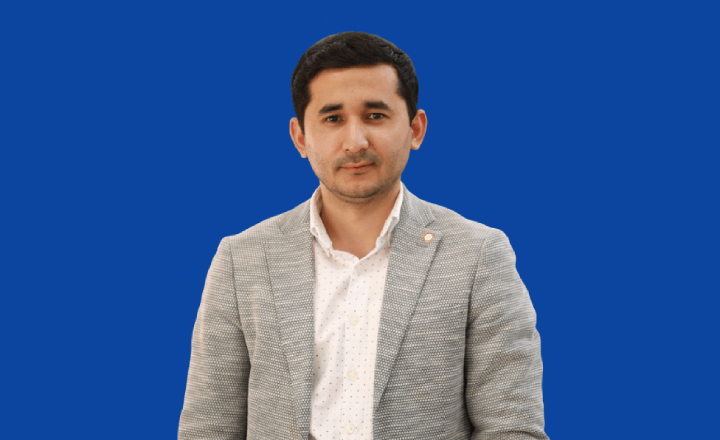
Akhliddin is the Course Leader for the MSc in Applied Economics at Westminster International University in Tashkent (WIUT) and a Senior Lecturer in the Economics Department. He earned his BA from Cardiff Metropolitan University, MA from King's College London, and PhD from the University of Westminster, London. Since 2017, he has been teaching Introduction to Political Economy and International Economics to both undergraduate and graduate students. His current research interests center on income inequality and the political economy of financial inclusion.
Beyond academia, Akhliddin has built a strong professional portfolio through consultancy work with leading international organizations, including the UNDP, FAO, and ILO.
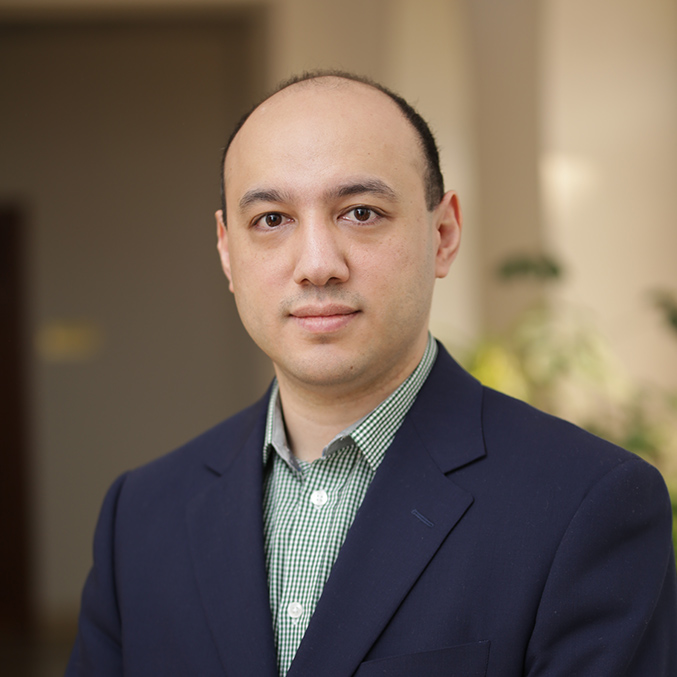
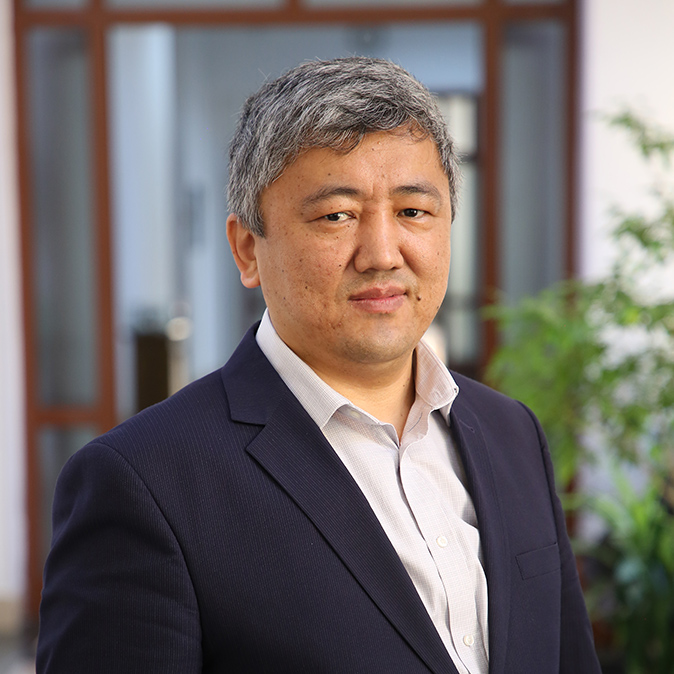
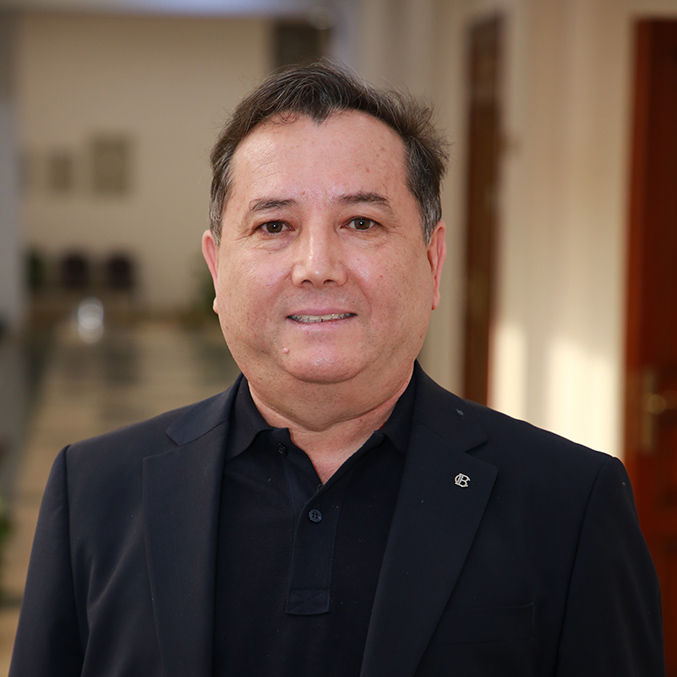
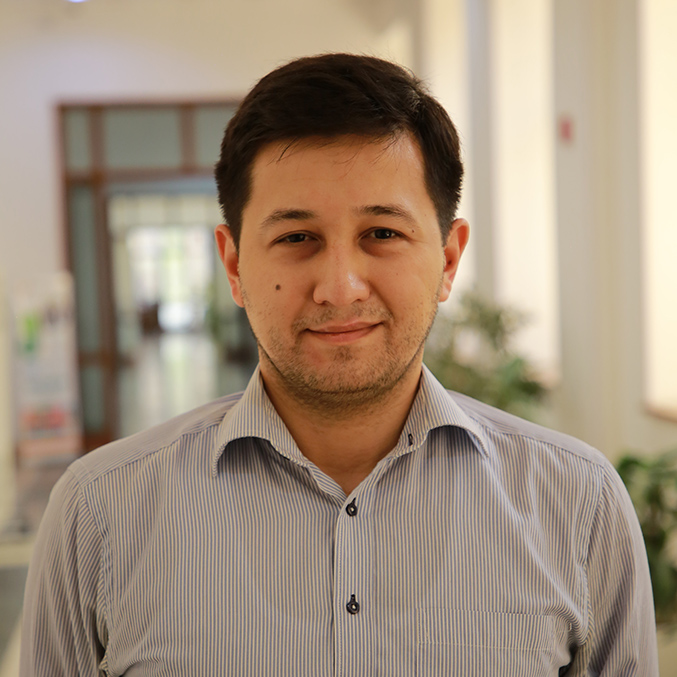
TAUGHT BY TEAM OF EXPERTS

SPECIAL OFFER FOR WIUT ALUMNI
Continue your academic journey at WIUT and receive a 15% tuition discount on our Master’s programmes exclusively for WIUT graduates.
WHAT OUR GRADUATES SAY

UNDP Uzbekistan “Further Improvement of public service delivery in Uzbekistan” Project Analyst
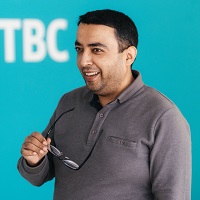
Head of Anti Money Laundering Department TBC Bank Tashkent, Uzbekistan

Lecturer at Westminster International University in Tashkent
YOUR NEXT CAREER MOVE STARTS WITH WIUT
Are you considering Westminster International University in Tashkent but unsure where to begin?
Our admissions counsellors are available to assist you. Have all your queries addressed to make an informed decision about your future.
RELATED PROGRAMMES


MSc in
Research Methods for Social Sciences
Master quantitative and qualitative methods. Prepare for research or PhD study.

MSc in
Business Intelligence and Analytics
Master data science and analytics tools. Support smart business decision‑making.